
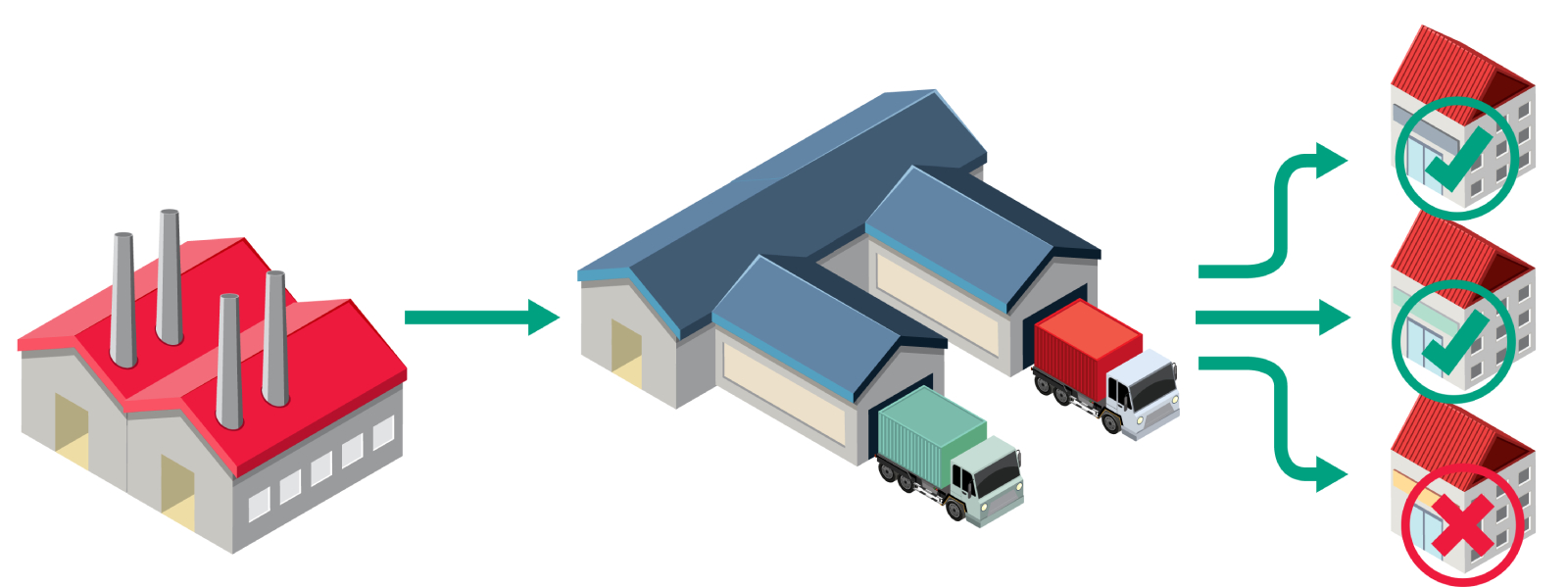
The cold chain is the path that a perishable product must follow to reach the final consumer intact. By intact we mean that there must be no alterations that lead to the impossibility of use, for example for a drug or consumption for a food. The continuity of the cold chain is guaranteed by the use of means, tools or environments suitable for maintaining the recommended temperatures from production to the point of sale; for example, foods must be stored at variable temperatures: meat: +7°, butter: +6°, fresh products: +5°, milk: +4°, fish: +2° which are refrigerated, ice cream at -22° they are, however, frozen.
It is very important that there are no moments during transport in which the goods remain exposed for too long to temperatures higher than those recommended, such as during unloading of the goods or during stops for multiple unloadings over the course of a day.
Maintaining temperatures is necessary to slow down the process of bacterial proliferation that foods suffer from. There is a bacterium, Bacillus Cereus, which can be found in green leaf lettuce, whose resistance to low temperatures is remarkable, it can multiply even at 7 degrees.
So how can we guarantee that the cold chain is respected in all respects?
As soon as the goods leave the manufacturing company to reach their destination, they go through a series of intermediate transit or storage stages, transport by refrigerated vehicles is the only way to ensure that the correct temperatures are maintained, during transhipment the goods are exposed to moments of temperature variation, in these cases the threat is just around the corner: a persistent temperature variation or a considerable temperature difference between the outside and inside of the packages is enough to create the formation of water in the package. In addition to temperature, bacterial proliferation is also sensitive to the presence of water; the more water that forms, the greater the risk of this happening.
There is a solution: thermal covers for pallets.
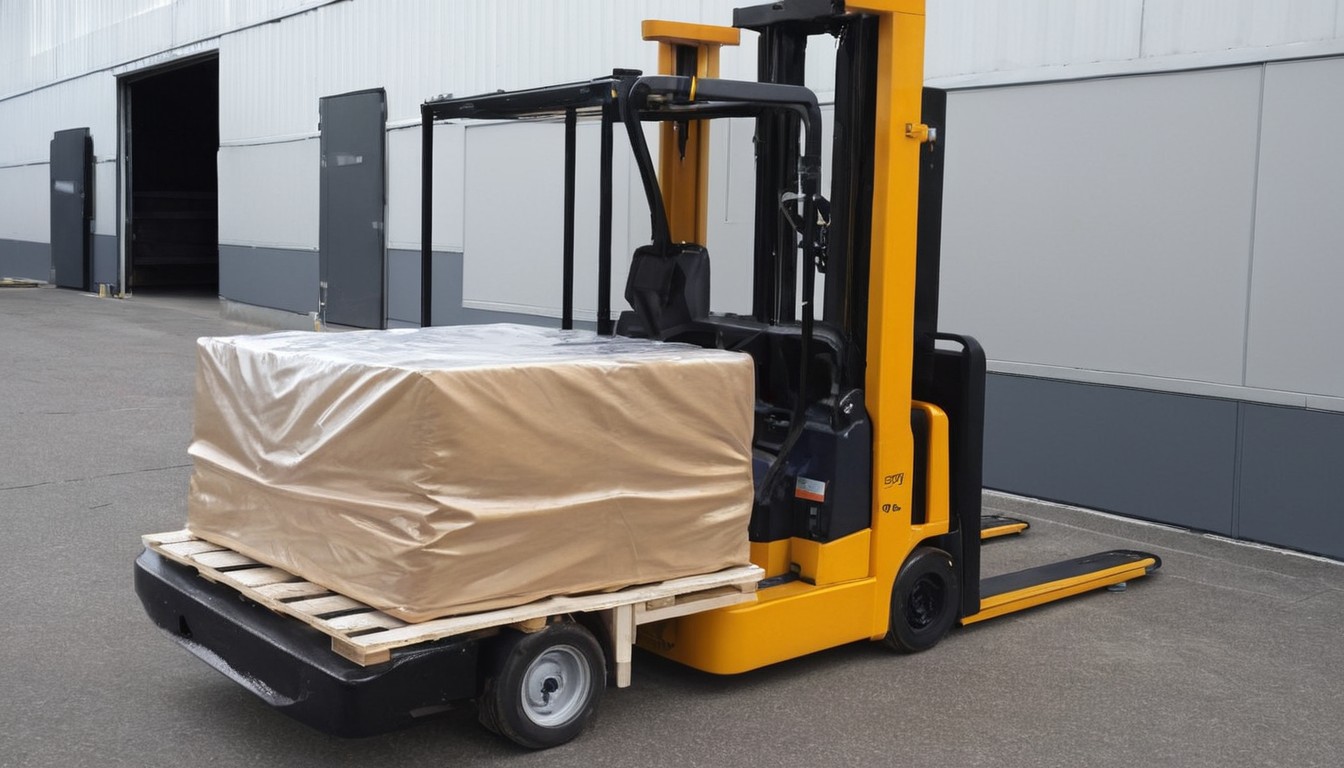
They allow you to keep the goods at a decidedly ideal temperature compared to the outside temperature, protecting them. The thermal covers can be reused and can also be equipped with openings for removing individual packages from the pallet. Furthermore, since they are also made to measure, it is possible to adapt them to any type of pallet. They are equipped with a bottom to allow an airtight closure.
The solution for large-scale retail trade. Thermal covers for roll containers are the ideal solution for moving goods while maintaining correct conservation.

Bibliography: Alimenti e Bevande (April 2020 issue), IIF International Refrigeration Dictionary. Reference regulations: EC Regulation n.178/2002 and DL n.110 01/27/1992